

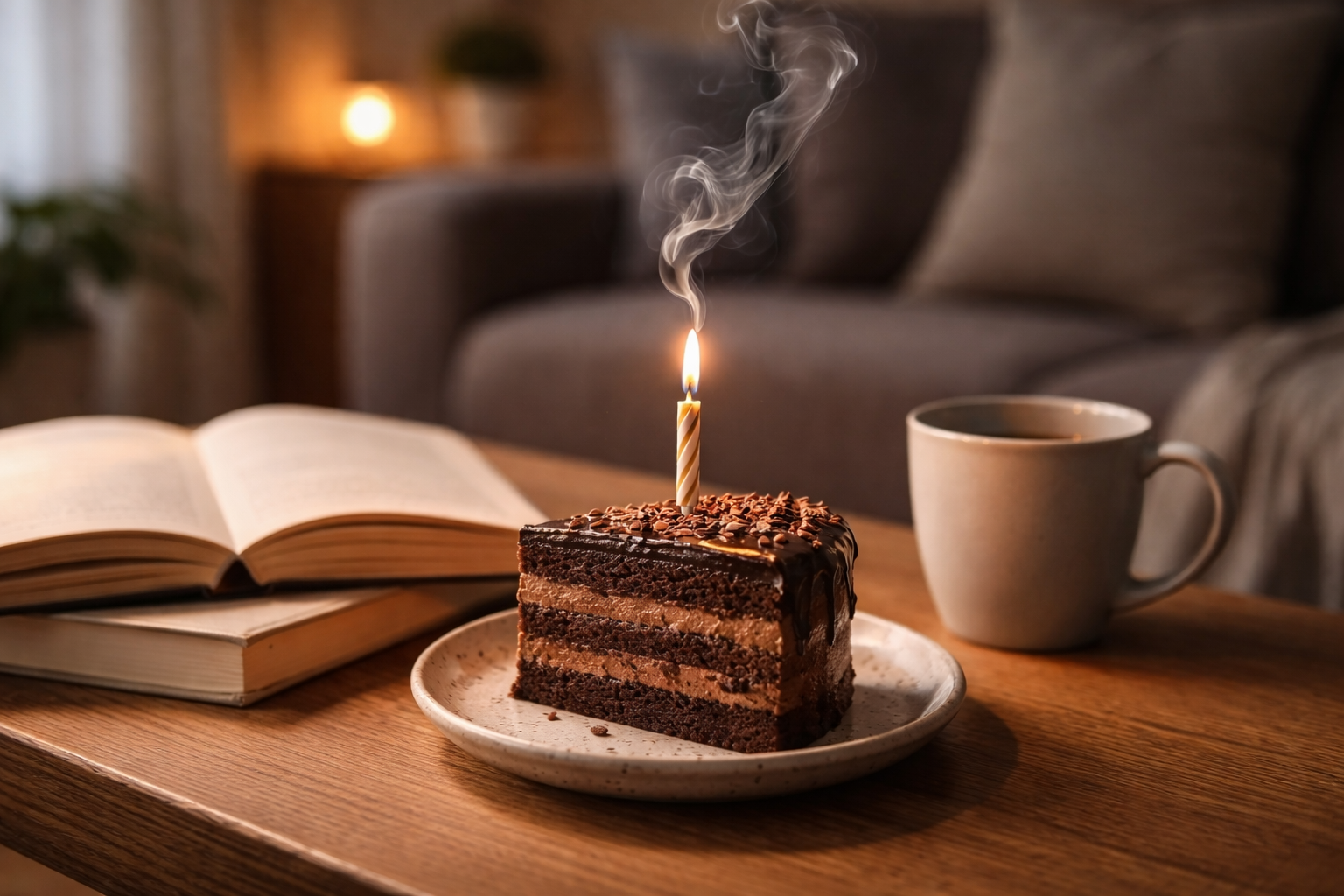

Celebrating your own special day does not mean joy and a big party for everyone. A dislike of birthdays often comes from certain personality traits, difficult past experiences, and social pressure. This has a psychological explanation and is rarely a reason to worry.
In many places, people believe that birthdays should be celebrated with others, with cake and good wishes. But many people feel tension, sadness, or complete indifference at this time. This is because this day can push a person into making a symbolic life review. It can bring up difficult questions about achievements, life choices, and how quickly plans are being completed compared with other people of the same age.
This inner monologue can make traditional parts of birthday celebrations feel uncomfortable. Instead of joy, there is a wish to avoid the party, and invitations are pushed aside. Bad memories from the past can also make things worse. Arguments during old birthday parties or feelings of rejection can make later birthdays bring mainly anxiety.
Where does dislike of birthdays come from?
Psychologists call birthday sadness birthday blues. A person in this state may lose energy, feel discouraged, and try to avoid thinking about the coming date. This often affects people who are prone to depressive episodes and low self-esteem. Their birthday becomes a reason to judge their life progress very harshly.
For many people, the hardest part is being in the center of attention. Introverts, who regain their energy in peace and quiet, may see long meetings with guests as very exhausting. People with strong social anxiety can experience birthday parties almost like a difficult exam. They may worry about being judged for their appearance, lifestyle, or behavior when people give them birthday wishes. Singing the birthday song and blowing out candles can become situations that create a strong wish to escape.
The influence of upbringing on how people see birthdays
A person’s attitude to their birthday is also shaped by patterns learned at home. People who grew up in homes where this date was not seen as important often do not feel the need to organize big parties as adults. It may be hard for them to understand why friends expect more. The opposite can happen in families where birthdays were treated as major events. These people may feel pressure to continue the tradition, even if they do not really want to.
Studies among students show that about one third of young adults do not see this day as special. They treat it as an ordinary social custom. In adult life, other dates often become more important, such as relationship anniversaries, the birth of children, or work success. Sociologists see birthdays as a modern rite of passage. As people get older, the need for this kind of symbolic ceremony often becomes weaker, while everyday relationships become more important.
When does a low mood need attention?
Not wanting to organize a birthday party is not a disorder. If a person functions normally, keeps relationships, and feels satisfied with life, skipping the cake is completely neutral. But specialists do point to situations where bad feelings around this date may suggest deeper problems.
| Observed sign | Psychological meaning |
|---|---|
| A short drop in mood around the birthday | A natural reaction to time passing and life changes |
| Longer sadness, pessimism, lack of energy | A sign that the person should look more closely at their emotional state |
| Avoiding people because of fear of judgment, not only on birthdays | A possible sign of stronger social anxiety |
| Regular thoughts about life having no meaning or about personal failure | A sign that it may be worth talking to a specialist |
Celebrating in your own way
The most helpful approach is to choose a form of celebration that fits your personal needs, not the expectations of others. Replacing a big party with a meeting with one close person often brings much more joy. Spending the day offline can also help, because it reduces the pressure of comparing yourself with people on social media.
Small private rituals can also work very well. A long walk, a visit to a favorite place, or clearly asking loved ones not to prepare surprises can help a person feel more in control of the day. It is also useful to change perspective during life reviews. Focusing on situations from the last year that bring pride can help move away from thinking only about what is still missing. A clear and honest message that you do not want to be the center of attention will almost always solve most of the tension connected with birthdays.