

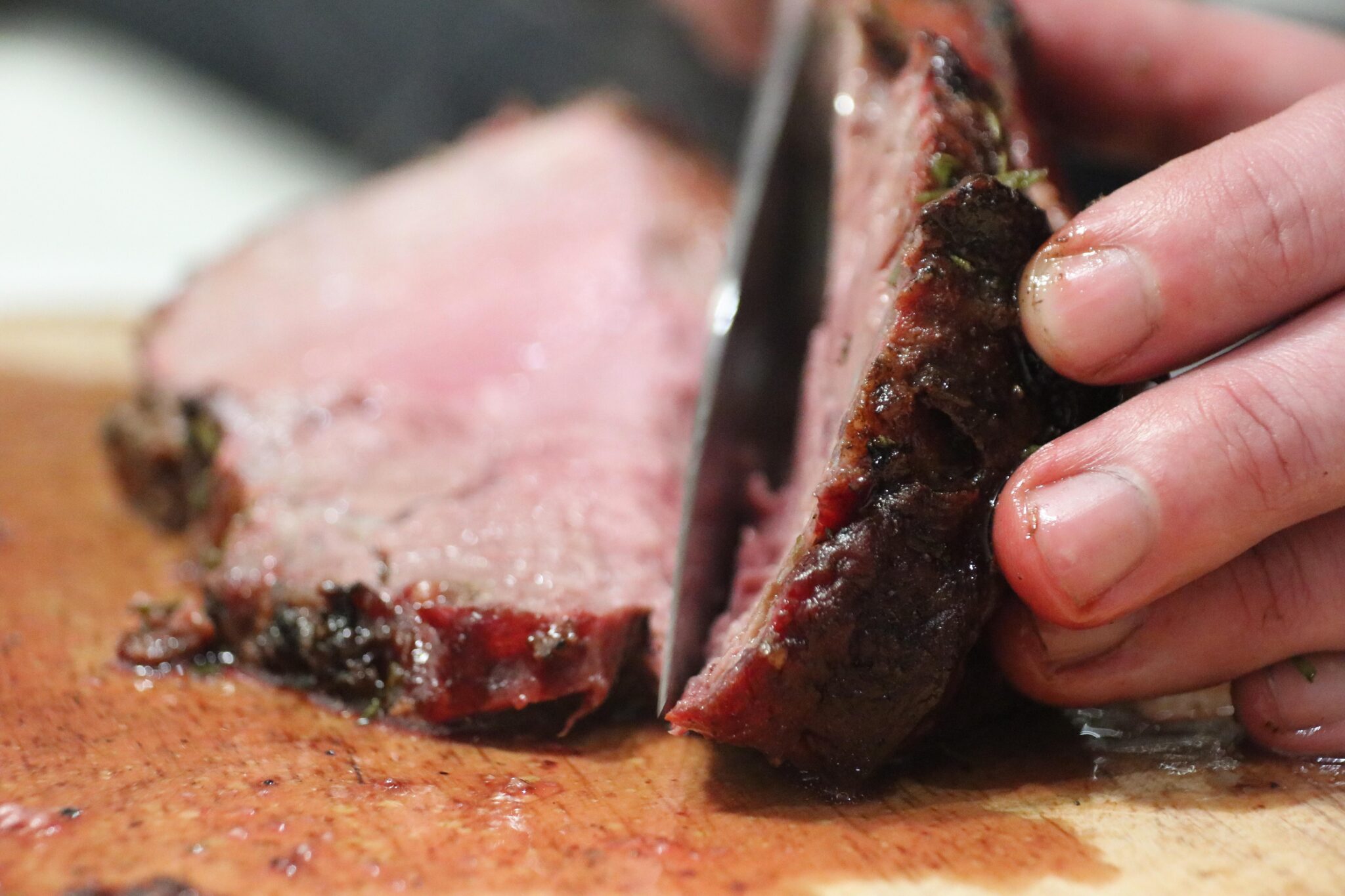

Two of Sweden’s most respected public health bodies have published directly conflicting advice about red meat consumption. The disagreement has sparked widespread discussion about the value of universal dietary guidelines.
The official national guidance
The Swedish National Food Agency currently recommends that all adults limit red and processed meat to a maximum of 350 grams per week. This guidance is based on multiple studies showing that lower consumption reduces the risk of colorectal cancer. This remains the official public health advice for every person living in Sweden.
New findings from Karolinska Institutet
A major new study from Karolinska Institutet has now called this universal guidance into question. Researchers found that for a large subset of the population, higher red meat consumption instead reduces dementia risk. This effect applies to approximately 30 percent of all Swedish adults.
The APOE gene variant
The difference in outcome is entirely down to two very common gene variants, known as APOE 3/4 and APOE 4/4. Around 70 percent of all people who go on to develop dementia carry one of these two variants. Researchers have known for many years that they substantially increase dementia risk, but have had little advice to offer for mitigation.
The study found that carriers of these variants had more than double the risk of dementia when they ate low amounts of meat. This elevated risk was not present at all in the 20 percent of participants who ate the most meat. That group consumed an average of 870 grams of meat per week.
“Those who ate more total meat had a significantly better cognitive development and lower dementia risk, but only if they had the gene variants APOE 3/4 or 4/4”, said lead author Jakob Norgren, researcher at the Department of Neurobiology, Care Sciences and Society at Karolinska Institutet.
A call for individualised advice
Norgren and his research team are now calling for official dietary guidelines to be updated. They say that universal guidelines may actually be harmful for this specific genetic subgroup.
“There is a shortage of dietary research for brain health and our results show that conventional dietary advice could be unfavourable for a genetically defined subset of the population”, Norgren said.
He added that the findings also offer a rare positive message for people at higher risk. “For people who are aware that they belong to the genetic risk group the results give hope. The risk can be modifiable through lifestyle adjustments.”
In my opinion, this is one of the most interesting developments in public health nutrition for many years. It exposes a fundamental limitation of all universal dietary guidelines. They are written for an average person that does not exist.
What is dementia?
Dementia is an umbrella term for a number of different degenerative changes in the brain. Symptoms vary depending on which part of the brain is affected, but always include some form of memory impairment.
Other common symptoms include impaired judgement, difficulty with language or practical tasks, and reduced ability to think abstractly. To receive a formal diagnosis of dementia, the cognitive decline must be severe enough to cause problems with work, social life or daily activities.
Between 20000 and 25000 people in Sweden are diagnosed with dementia every year. There are currently around 150000 people living with dementia in Sweden. Approximately two thirds of all dementia cases are Alzheimer’s disease.