

Rarely does Ménière’s illness make a subtle announcement. A person can be stable, attentive, and involved one moment, and then their balance crumbles as if gravity has changed. Even when standing motionless, patients sometimes report the experience as being trapped in a spinning room—a startling and profoundly confusing interruption.
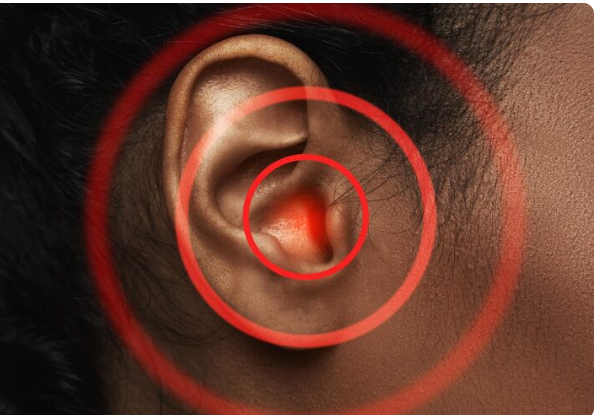
This uncommon inner-ear condition affects how the body interprets movement and sound. Normally, the inner ear functions like a finely tuned orchestra, synchronizing messages that aid in the brain’s comprehension of motion and position. This coordination malfunctions in Ménière’s disease, resulting in episodes that come on quickly and go off just as erratically.
The most striking symptom is still vertigo. The duration of these attacks can range from twenty minutes to a full day. Some people experience episodes that are closely spaced out, while others experience months between attacks, giving them a false impression of recuperation before their symptoms reappear, frequently with noticeably less severity.
| Ménière’s Disease Overview | Details |
|---|---|
| Medical Name | Ménière’s disease (idiopathic endolymphatic hydrops) |
| Primary System Affected | Inner ear (hearing and balance) |
| Core Symptoms | Vertigo, tinnitus, hearing loss, ear pressure |
| Typical Onset Age | 40–60 years |
| Symptom Pattern | Episodic, recurrent, progressive |
| Suspected Cause | Excess inner-ear fluid (endolymph) |
| Diagnosis | ENT exam, hearing tests, vestibular tests, MRI |
| Treatment Approach | Lifestyle changes, medication, therapy, surgery |
| Long-Term Risks | Permanent hearing loss, chronic balance issues |
| Reference |
Vertigo can be so strong after severe episodes that persons may have “drop attacks,” which are abrupt falls. These unforeseen incidents can result in severe injuries, making routine tasks like driving or climbing stairs seem abnormally dangerous. Fear of falling has the potential to drastically diminish independence over time.
Balance issues often coexist with changes in hearing. At first, Ménière’s illness often affects one ear, making it difficult for sufferers to hear lower-pitched noises. Early hearing loss frequently varies, getting better between bouts, but if left untreated, it can become irreversible over time.
Another layer of interruption is added by tinnitus. Many patients complain of persistent whooshing, buzzing, or ringing noises that sound like nearby equipment humming. In calm settings, this noise can become particularly bothersome and interfere with sleep, focus, and mental health.
It’s also typical to sense pressure or fullness in the afflicted ear. Patients occasionally liken it to the feeling they have when flying, but it doesn’t go away when they swallow or yawn. These symptoms, when coupled with nausea and vomiting during vertigo bouts, leave many patients feeling worn out after each episode.
The exact cause of Ménière’s illness is still unknown after much research. The majority of researchers think that the inner ear’s extra endolymph fluid is a major factor. The hallmark symptoms are caused by an accumulation of fluid that interferes with hearing and balance signals that get to the brain.
A number of factors could be involved in this fluid imbalance. Inflammation can be brought on by allergies, and structural obstructions might impede adequate drainage. Although the connections between head injuries, infections, and migraine headaches are still being thoroughly examined, they have all been connected.
Risk factors contribute to a more distinct image. The most common age range for Ménière’s illness to manifest is between forty and sixty. According to certain research, women may be marginally more impacted than men. Given that seven to ten percent of patients indicate a family history, genetics also plays a significant role.
Particular care should be paid to autoimmune diseases. Individuals with conditions like lupus, rheumatoid arthritis, or ankylosing spondylitis seem to be significantly less likely to acquire Ménière’s disease, indicating that inflammation connected to the immune system may affect inner ear function.
If left untreated, Ménière’s illness might cause long-term problems. Frequent episodes of vertigo raise the chance of falling, and gradual hearing loss can cause irreparable damage after a few years. Work, travel, and physical exercise can all be hampered by a persistent imbalance.
The importance on mental health is frequently understated. Patients who experience erratic symptoms are always on guard since they can never predict when an episode will occur. Anxiety and sadness sometimes follow, especially when the dread of unexpected vertigo interferes with social activities and work.
An otolaryngologist, or ENT specialist, usually makes the first diagnosis. Because Ménière’s illness has characteristics with other balance problems, providers closely examine symptom patterns. While vestibular tests evaluate the relationship between balancing reflexes and eye movements, hearing tests frequently identify sensorineural hearing loss.
Other explanations, like tumors or neurological disorders, can be ruled out via imaging, especially MRI with contrast. The diagnosis of Ménière’s illness is based on a mix of clinical evidence and elimination of alternatives, as no one test can establish the condition.
The goal of treatment is to control symptoms and lessen the frequency of attacks, but there is no cure. The first line of defense is frequently a change in lifestyle. For some people, cutting back on alcohol and coffee, controlling stress, and making rest a priority can have a remarkable impact.
Dietary changes are especially helpful. A low-sodium diet, which is usually restricted to 1,500 mg of salt daily, helps lessen fluid retention, which can exacerbate inner-ear pressure. It is also frequently advised to stay away from meals that contain monosodium glutamate.
Additional assistance is provided by medications. Betahistine may enhance blood flow in the inner ear, whereas diuretics aid in lowering total fluid levels. Motion sickness and anti-nausea medications like diazepam or meclizine can reduce nausea and vomiting during acute episodes.
Injectable therapies could be taken into consideration when oral drugs don’t work. The goal of steroid injections administered through the eardrum is to lessen inflammation and manage episodes of vertigo. Injections of gentamicin purposefully weaken the faulty balancing organ, which frequently prevents vertigo but increases the chance of hearing loss.
The possibilities for management are expanded by therapies and assistive technology. By teaching the brain to make up for balance deficiencies, vestibular therapy facilitates adaptability and increases stability. As hearing loss stabilizes, hearing aids become helpful; in more severe situations, cochlear implants may be helpful.
Some patients experiment with pressure pulse devices, which apply air pressure to the middle ear. Although experts disagree on effectiveness and results are still mixed, the strategy represents continuous research into non-invasive symptom management.
Only the most incapacitating instances require surgical procedures. Vestibular nerve section stops vertigo by disrupting balancing signals, whereas endolymphatic sac decompression relieves fluid pressure. The most drastic procedure, labyrinthectomy, removes vertigo at the expense of hearing.
More and more, studies on Ménière’s disease mirror general developments in personalized treatment. Clinicians customize tactics based on risk tolerance, lifestyle demands, and symptom patterns rather than using standard therapies. The number of needless interventions has dramatically decreased thanks to this customized approach.
Ménière’s sickness highlights the difficulties associated with invisible illness for society. Patients may seem fine in between bouts, but they are always uncertain. Enhanced consciousness incentivizes healthcare systems, families, and workplaces to react with adaptability instead of suspicion.