


The eye, the most sensitive and expressive organ in the human body, is impacted by Eales Disease, a remarkably complex illness. It mainly affects young, otherwise healthy adults—typically men in their twenties and thirties—whose lives are abruptly upended by unanticipated episodes of visual loss. The illness starts out slowly and frequently manifests as modest warning signals, such as dim light flashes, tiny floating particles in the field of vision, or a fog-like feeling that makes it difficult to see clearly. However, inflammation is developing in the remote corners of the retina, where blood vessels are silently being attacked, behind these seemingly innocuous symptoms.
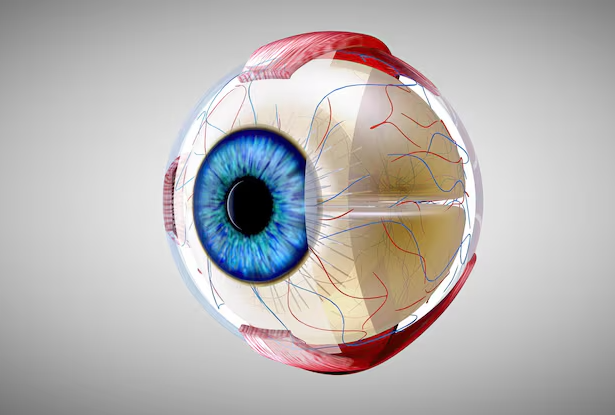
Eales disease is fundamentally a conflict between the body’s own tissues and the immune system. Vasculitis, or inflammation of the peripheral retinal veins, is the first step in the process. Patches of oxygen-deficient retinal tissue form when blood flow is impeded by the swelling and weakening of these tiny capillaries. The eye responds by creating new blood vessels in an effort to cure itself. However, because of their fragility and propensity to burst, these recently created arteries frequently bleed into the vitreous, the gel-like fluid that fills the eye. Every bleeding episode impairs eyesight even more, causing those who are impacted to become frustrated, anxious, and frequently afraid.
Key Information About Eales Disease
| Aspect | Description |
|---|---|
| Type of Condition | Rare inflammatory eye disease affecting the retinal veins |
| Typical Age Group | Young, healthy adults, mostly between 20 and 40 years old |
| Most Affected Demographic | Males, more common in South Asian regions |
| Main Features | Retinal vein inflammation, vessel blockage, abnormal new vessel growth, recurrent eye bleeding |
| Possible Triggers | Tuberculosis-related immune response, oxidative stress, or environmental factors |
| Stages of Disease | 1) Inflammation (vasculitis), 2) Vascular occlusion, 3) Neovascularization |
| Common Symptoms | Floaters, flashes of light, sudden vision loss, blurred or cloudy vision |
| Key Treatments | Corticosteroids, anti-TB therapy, laser photocoagulation, vitrectomy surgery |
| Prognosis | Early diagnosis significantly improves outcome; late detection may cause permanent vision loss |
| Reference |
What makes Eales Disease particularly intriguing to academics is its apparent connection to tuberculosis. Despite not necessarily being infected in the conventional sense, decades of medical observation have demonstrated that many individuals have been exposed to TB bacteria. It appears that the immune system responds violently to TB proteins or other comparable triggers, resulting in inflammation that unintentionally attacks the retinal veins. Eales Disease has become a textbook example of how the body’s defense mechanisms may become incredibly devastating when overactivated due to this immunological misfire.
Although the precise explanation is still unknown, a number of elements have been identified as being important. Retinal damage is thought to be influenced by environmental factors such as oxidative stress and UV exposure. Given that the illness is more common in some families and geographical areas, genetic predisposition is also being studied. Ophthalmologists, especially those who research how infectious diseases influence immune-mediated disorders, are still fascinated by the disease’s epidemiological layer, which is added by its prevalence on the Indian subcontinent.
Inflammation, vascular blockage, and neovascularization are the three different stages of Eales disease progression. Corticosteroids are frequently recommended in the early stages to protect the structure of the retina and minimize inflammation. Anti-tubercular therapy is included to the treatment plan when exposure to tuberculosis is verified or highly suspected. Zones of retinal ischemia are produced when blood flow decreases as the disease progresses to the occlusive stage. The eye creates new vessels in response to oxygen deprivation, a survival mechanism that sadly backfires. These aberrant arteries frequently require laser photocoagulation to close them off and maintain the remaining vision since they leak and bleed rapidly.
The most upsetting experience for many patients is when the vitreous hemorrhage gets so bad that blood fills the eye and vision suddenly goes dark. When this occurs, vitrectomy surgery, which involves removing the blood-filled vitreous, is frequently carried out. Despite its complexity, this procedure has been remarkably successful in recovering vision, especially when performed quickly and by skilled professionals. However, recovery is both mental and physical. A sobering reminder of how delicate but durable the human eye can be, patients frequently describe their vision returning as though a fog gradually dissipates.
There are two challenges associated with Eales Disease: medical and psychosocial. Temporary blindness can be terrible for young people who are at the pinnacle of their personal and professional life. Every recurrence raises the question, “Will I see you again?” This time, how long will it last? However, many develop resilience in the process, learning to adjust and accept patience as a necessary component of their recovery. For people dealing with this unpredictable ailment, support networks—both online and in patient communities—have proven especially helpful.
From a scientific standpoint, Eales Disease provides important information about the more general connection between immune responses and systemic illnesses. It demonstrates how a single trigger, like TB exposure, can spark inflammation in an altogether different organ. This has promoted interdisciplinary cooperation between specialists in infectious diseases, immunology, and ophthalmology. These collaborations are especially creative, advancing the development of more focused treatments that go beyond symptom relief and improved diagnostic instruments.
Technological developments in retinal imaging have greatly accelerated and improved diagnosis. Early vascular alterations can now be identified long before vision declines thanks to methods like optical coherence tomography (OCT) and fluorescein angiography. Because of this, doctors have been able to act sooner and frequently stop irreparable harm. In the meanwhile, anti-VEGF injections, which are medications intended to stop the formation of aberrant vessels, have demonstrated especially encouraging outcomes. These treatments, which were first created for diabetic eye illness, are now giving Eales patients new hope.
Eales Disease is an example of how medical professionals are becoming more conscious of the value of early intervention in rare disorders outside of hospitals and clinics. Patients frequently wait to seek assistance until they have experienced severe vision loss in many underdeveloped nations where access to ophthalmic specialists is restricted. This is beginning to change as a result of awareness campaigns and outreach initiatives that stress the importance of never ignoring early signs, such as flashes or floaters.
Those who care for people with Eales Disease are frequently deeply affected by their emotional resilience. They show how persistence and flexibility can flourish despite uncertainty. It’s a situation that teaches both the doctor and the patient humility—a mutual understanding that even with advancements in medicine, mystery still exists.